
Do you really need an expensive pan?
The “it must be the pan” thought
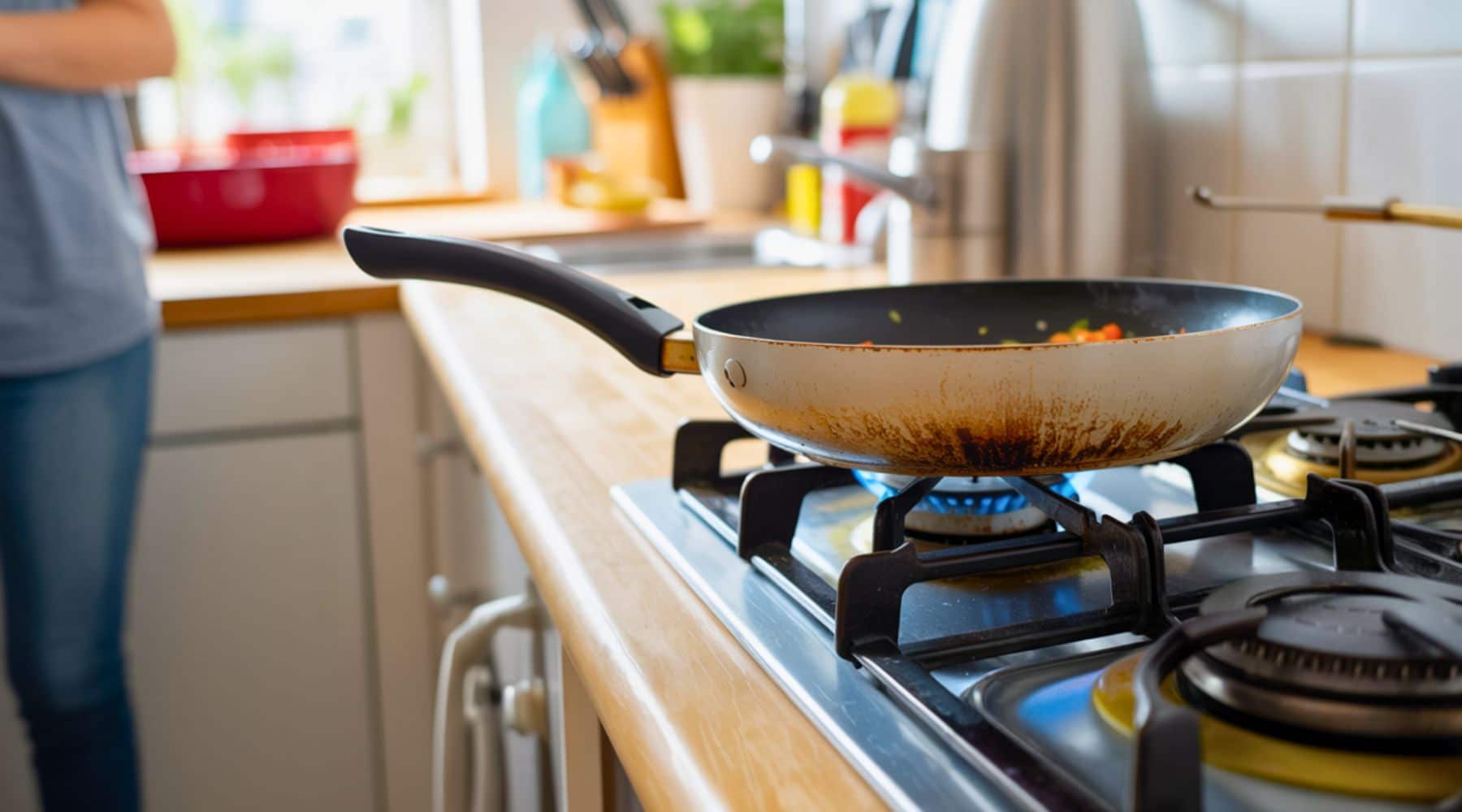
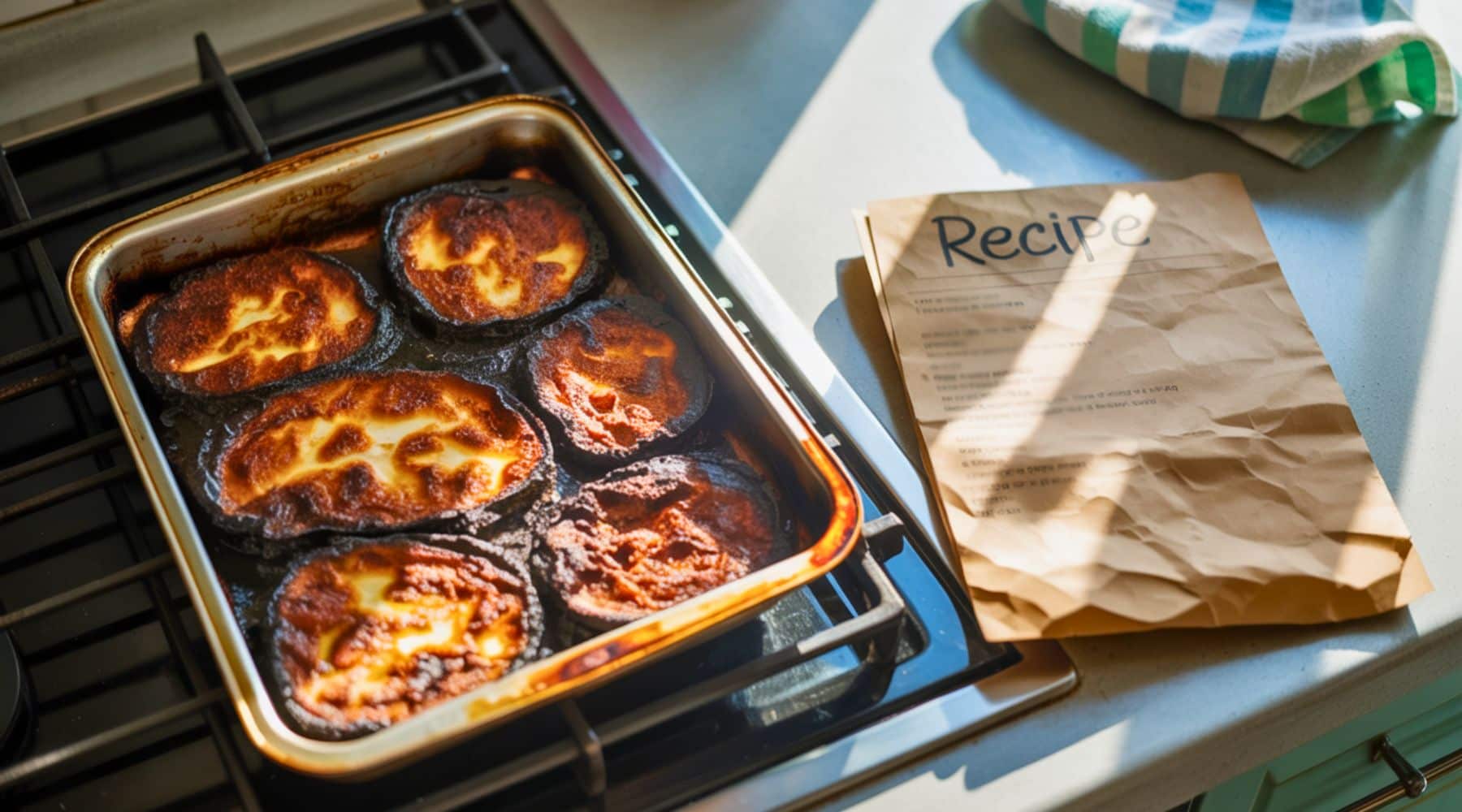
The food sticks. It burns. It doesn’t look like the picture.
If you’ve just started cooking, chances are you’ve had this moment already.
And the conclusion comes quickly:
“It must be because my pan is too cheap.”
That’s completely understandable. In recipe videos, cooking shows, and Instagram posts, we see professional tools everywhere. When something doesn’t work out, it’s easy to believe that good cooking requires expensive equipment.
But is the price of your pan really what’s standing between you and better cooking?
This article won’t tell you what to buy.
It’ll help you understand when price matters – and when it really doesn’t.
Why do we believe so easily that more expensive means better?
The world of cooking is full of visual signals.
Shiny pans, spotless kitchens, confident chef movements.
And they come with a familiar message:
“Buy the expensive one, and everything will be easier.”
That logic is comforting. It suggests progress is a quick decision. Not about learning. Not about attention. Just about buying something.
In reality, an expensive pan often sells confidence, not knowledge. The feeling that “now it’ll work.”
But cooking doesn’t work that way.
What does an expensive pan actually give you?
It’s important to be clear: more expensive pans do have real advantages.
They usually:
– distribute heat more evenly,
– retain heat better,
– last longer.
These are real differences.
But they’re not magic.
A more expensive pan starts to matter when you already know:
– when the surface is too hot,
– when to lower the heat,
– when to wait, and when to act.
In other words, when the tool isn’t “teaching” you anymore — you’re using it deliberately.
What an expensive pan does NOT solve
This is the part that reassures many beginners.
An expensive pan:
– won’t prevent sticking if you add food to a cold surface,
– won’t save a dish if the heat is too high,
– won’t time things for you or tell you when something’s done.
That’s why disappointment is common: new pan, same result.
And it’s easy to think, “Then I need an even more expensive one.”
But a lot of what feels like a tool problem is actually a learning gap.
What matters more than price
especially for beginners
- Heat control
Preheating, lowering the heat, and patience matter more than brand names.
Most sticking isn’t a material issue – it’s a timing issue.
- Familiarity with your own pan
If you’re always switching tools, you never learn how any of them behaves.
Using the same pan again and again builds skill much faster.
- Proper use
Not every pan is ideal for every dish.
But as a beginner, the goal isn’t perfect choice – it’s understanding what’s happening in the pan.
What counts as a “good enough” pan?
A pan that’s good for learning isn’t a luxury item.
Basic criteria:
– a flat bottom,
– a stable handle,
– not too light, not too heavy.
A solid mid-range pan is more than enough to learn:
– heat control,
– timing,
– basic techniques.
An important thought:
the pan that teaches you is the one you’re willing to use.
The one you’re not afraid to heat up — and not afraid to make mistakes in.
When does it make sense to upgrade to a more expensive pan?
When:
– you cook regularly,
– there’s a technique you use often,
– you already understand how heat and time work.
That’s when better tools can actually help.
But they’re not the starting point.
A good pan is a reward — not an entry ticket.
The real beginner trap: swapping tools instead of attention
Buying is easy.
Paying attention is hard.
But every mistake is information:
– was it too hot?
– did you move it too early?
– did you not wait for the food to react?
What if, next time you cook, you didn’t look for a new tool — but watched what was happening in the pan?
A better question than price
No, you don’t need an expensive pan to learn how to cook.
Yes, it can matter – later.
What improves cooking isn’t the price of the tool.
It’s attention.
Next time you cook, ask yourself this:
What would change if I stopped focusing on what pan I have — and focused on what’s happening in it?
If that question resonates, it’s worth reading the related articles on heat control and common beginner cooking mistakes too.
Leave feedback.
Explore more:
5 moments when you’re sure you messed it up – even though you didn’t
There’s a question almost every beginner asks while cooking.Not out loud. More quietly – one eye on the pan, one hand gripping the…
Why isn’t it browning? What’s really happening in the pan
The pan isn’t working against you – even if it feels personal (and it hasn’t sworn an oath to destroy your confidence today)…
How beginners actually learn to cook
How does a beginner learn to cook? Not through recipes, but through thinking. The real question If you’re just starting to cook, there’s…
Beginner-friendly recipes aren’t always what they seem
When “beginner-friendly” is misleading You’ve probably been there. You searched for a beginner-friendly recipe because you wanted to finally learn how to cook.…