
Beginner-friendly recipes aren’t always what they seem
When “beginner-friendly” is misleading
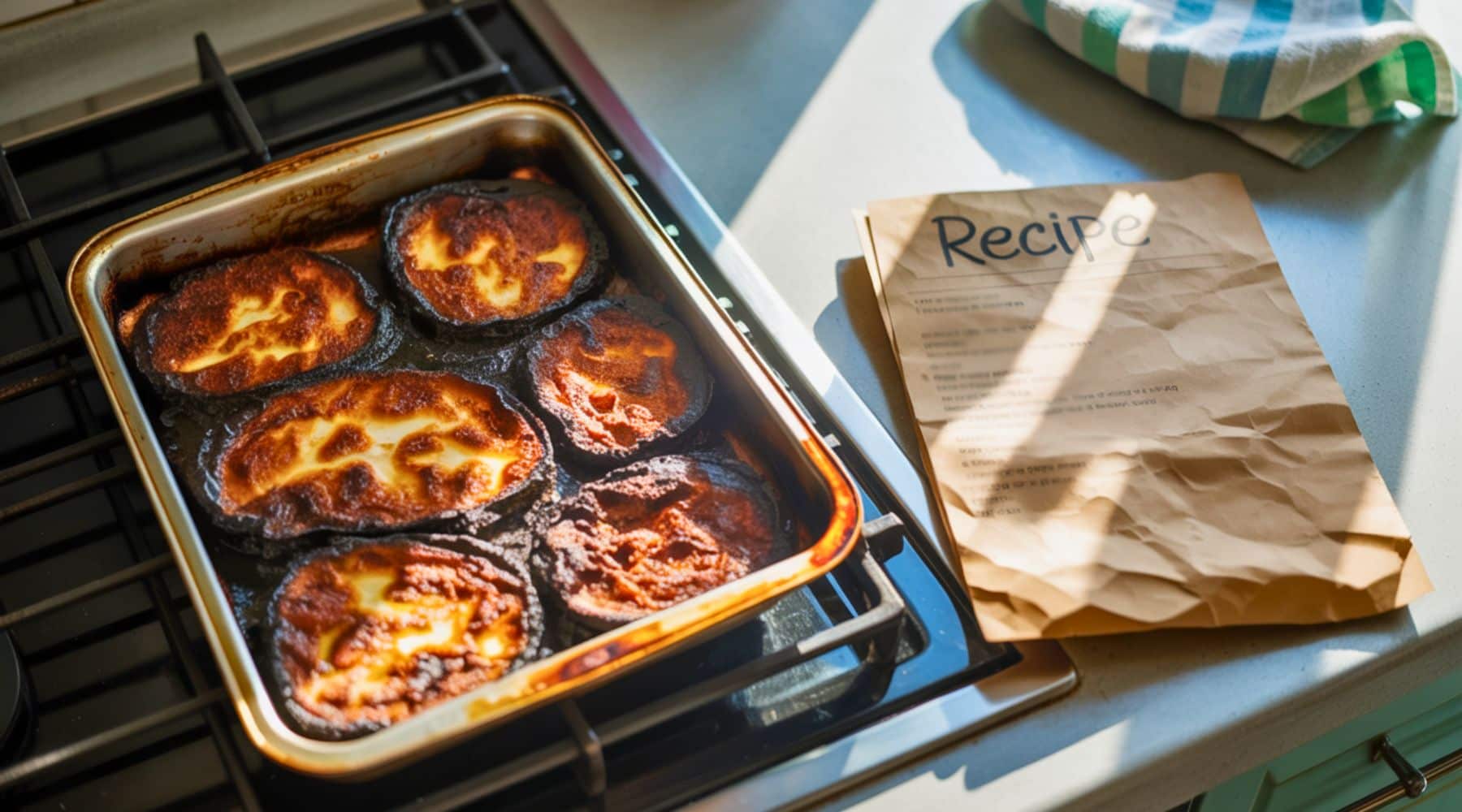
You’ve probably been there. You searched for a beginner-friendly recipe because you wanted to finally learn how to cook. You read the instructions, followed everything exactly… and still ended up with a failure.
The dish didn’t turn out the way you expected, and there you were in the kitchen thinking:
“If this was beginner-friendly, then something must be wrong with me.”
That feeling is very common at the beginning. But the problem isn’t you.
The real issue is that the label “beginner-friendly” doesn’t mean the same thing to everyone. Sometimes it’s real help. Other times it’s just a nice-sounding marketing term.
This article doesn’t give you recipes.
It shows you how to choose recipes – and how to learn to understand them, not just follow them.
What usually gets called a “beginner-friendly recipe” – and why that’s often misleading
In many places, a beginner-friendly recipe is defined as:
– few ingredients,
– short cooking time,
– the word “easy” in the title.
At first glance, that sounds logical. But on its own, it’s misleading.
Few ingredients ≠ few decisions
A dish with three ingredients can still be hard if every step requires precise timing and heat control.
Fast ≠ easy
Quick recipes often leave no room for correction.
If something goes wrong, there’s no time to fix it.
“Easy” doesn’t explain anything
It’s easy for someone with experience.
Not necessarily for someone who just turned on the stove for the first time.
That’s why, after searching for “easy recipes for beginners,” so many people end up more discouraged than successful.
What “beginner-friendly” actually means
A truly beginner-friendly recipe isn’t simpler. It’s easier to learn from.
Fewer unfamiliar decision points
What matters isn’t how many ingredients it has, but how many decisions you have to make.
When do you need to pay attention? When is a mistake still okay?
A good recipe signals these points in advance.
Sensory cues
Cooking doesn’t happen on paper.
A beginner-friendly recipe tells you:
– what color you’re looking for,
– what kind of smell means it’s time to move on,
– what texture to aim for.
That’s far more useful than measuring everything down to the gram.
Room for recovery
A recipe that’s good for learning is “survivable.”
If you oversalt it or cook it a bit too long, it can still be saved.
That sense of safety matters more than anything at the beginning.
What a beginner-friendly recipe does NOT mean
This is one of the most important clarifications.
Beginner-friendly does not mean:
– you can’t mess it up,
– the result will be perfect,
– it guarantees instant success.
These expectations are what frustrate beginners most.
If you believe you “can’t mess it up,” even a small mistake feels like a huge failure.
But learning happens through mistakes – and that’s completely okay.
How a recipe teaches you to think – and how it doesn’t
A good recipe:
– explains why things happen,
– provides context,
– helps you see connections.
A bad recipe:
– just lists steps,
– is overly precise without explanation,
– forces blind following.
As a beginner, always choose the one that teaches you to understand, not just to execute.
How to tell in 30 seconds whether a recipe is beginner-friendly
A quick checklist:
– does it include sensory cues?
– does it explain the order of steps?
– does it avoid teaching too many new techniques at once?
If at least two of these are missing, it’s probably not for you.
What happens when you learn to cook with the wrong recipe?
In that case, it’s not the recipe that fails, but the learning experience.
Confidence drops, and cooking turns into a source of stress.
It’s important to say this out loud: this isn’t the beginner’s fault.
New question instead of “what should I cook?”
A beginner-friendly recipe isn’t simpler. It’s more learnable.
The goal isn’t the result. It’s the process.
A good recipe doesn’t prove anything. It teaches.
The next time you cook, ask yourself:
“Will it be tasty?” – or instead – “Will I learn something from it?”
If you choose the second one, you’re on the right track.
Leave feedback.
Explore more:
10 dishes that sound hard — but are actually great for beginners
There’s that moment when a dish gets mentioned and you automatically take a step back. “That must be hard.”“I’m not there yet.”“That’s for…

5 moments when you’re sure you messed it up – even though you didn’t
There’s a question almost every beginner asks while cooking.Not out loud. More quietly – one eye on the pan, one hand gripping the…
Why isn’t it browning? What’s really happening in the pan
The pan isn’t working against you – even if it feels personal (and it hasn’t sworn an oath to destroy your confidence today)…
Do you really need an expensive pan?
The “it must be the pan” thought The food sticks. It burns. It doesn’t look like the picture.If you’ve just started cooking, chances…