
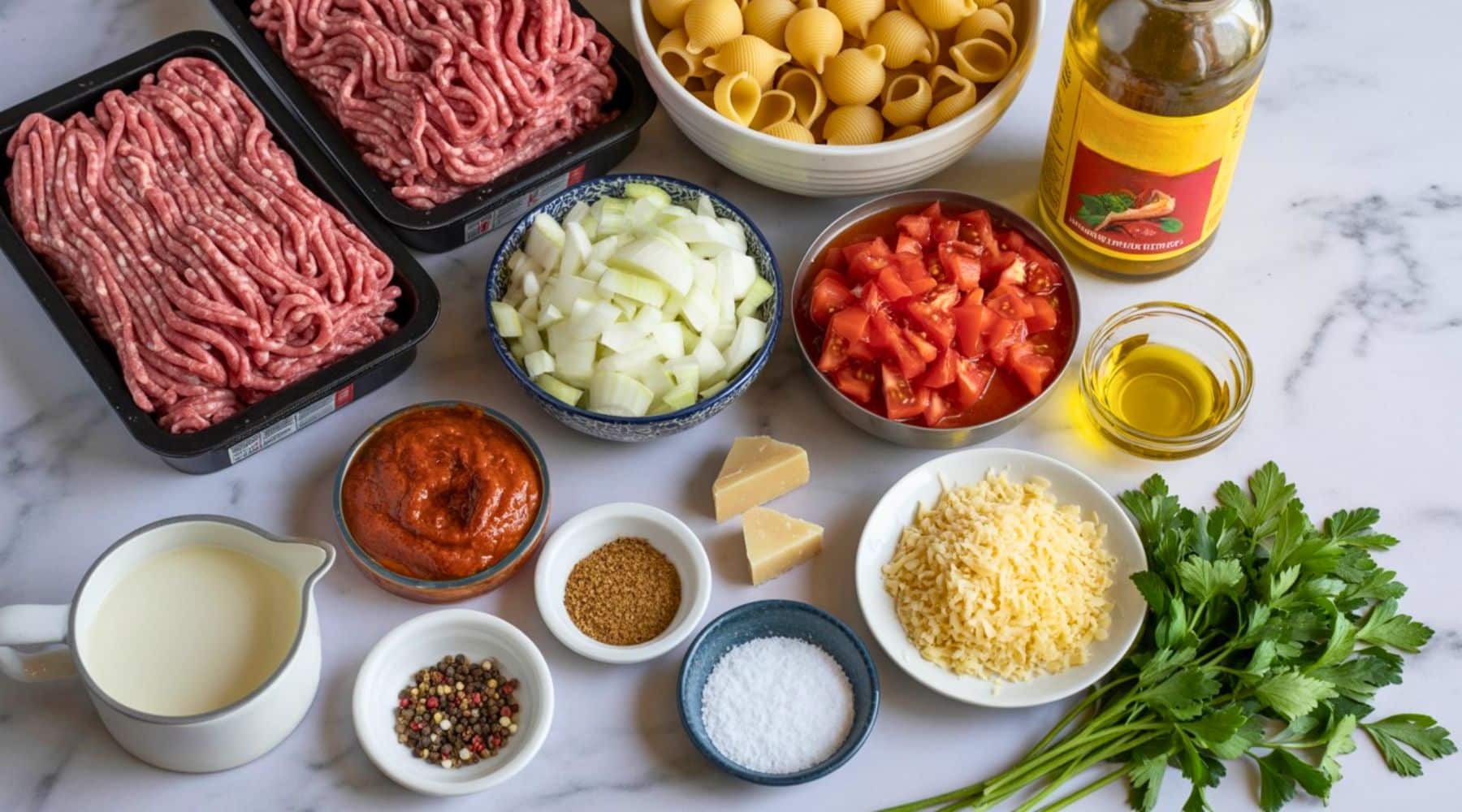
How should a beginner actually learn to cook?
The simple question that doesn’t have a single right answer
“Where should I start?”
This is one of the most common questions people ask when they’re just getting into cooking. At first glance, it makes perfect sense: if there’s a goal, there must be a good starting point too. A first step that’s “correct.”
The surprising realization is that even experienced cooks and teachers don’t fully agree on where to begin. Some swear by learning basic techniques first. Others believe one simple dish is the key. And some argue that mindset matters more than anything else.
The real problem isn’t that there are too many answers.
It’s that beginners often look for the perfect first step – and end up not starting at all.
In this article, I won’t decide for you. Instead, I’ll walk you through several experienced perspectives and give you a way of thinking that helps you choose a starting point that actually works for you.
Why there’s no single “right place” to start
Cooking isn’t something you learn in a straight line. It’s not like a textbook you read from beginning to end. It’s more like a web of skills, where you can learn the same thing from different directions.
On top of that, beginners aren’t all the same:
– some are held back by technical uncertainty,
– some by fear of failure,
– some by information overload.
What feels freeing to one person (“let’s learn the basics first”) can feel terrifying to another (“I don’t even dare cut an onion yet”).
That’s why it’s important to say this out loud:
a bad start is rarely about the content – it’s usually about the approach.
Perspective #1 – “Start with the basic techniques”
This is where many people begin, especially chefs and cooking schools. The logic is clear: if you understand the core techniques, you can approach any recipe later on.
This includes things like:
– sautéing,
– boiling and steaming,
– basic knife skills,
– the logic of seasoning.
Pros:
– structured,
– predictable,
– gives a sense of control.
Risk:
as a beginner, it can feel too theoretical. Without any emotional connection to cooking yet, it’s easy to feel like, “I’m learning something, but I’m not actually cooking.”
This approach tends to work best for people who:
– like understanding systems,
– look for security,
– aren’t intimidated by learning.
Perspective #2 – “Start with one simple dish”
Here, the focus is on early success. Not learning many things at once, but repeating one thing often.
For example:
– the same pasta,
– the same egg dish,
– the same one-pot meal.
Why it works:
– it gives quick feedback,
– mistakes become instructive,
– it lowers pressure.
Downside:
the knowledge is harder to generalize. You often hear:
“They’re not learning to cook – they’re learning to cook this dish.”
This approach suits people who:
– are driven by motivation,
– are afraid of failure,
– want fast wins.
Perspective #3 – “Start with the way of thinking”
This approach is less flashy, but very powerful in the long run. It doesn’t ask what you’re cooking, but why things happen while you cook.
It includes:
– making decisions during cooking,
– observing reactions,
– interpreting situations.
Advantage:
it’s freeing. It doesn’t make you dependent on recipes – it makes you independent.
Challenge:
at first, it can feel uncertain. There’s no checklist, no “do it exactly like this.”
The key idea is this:
you’re not learning recipes, you’re learning a system.
This works well for people who:
– like thinking in connections,
– don’t mind initial uncertainty,
– plan for the long term.
Perspective #4 – “Start with the kitchen and the tools”
This approach focuses on the environment. Many beginners don’t struggle because they don’t understand cooking, but because they keep running into friction.
For example:
– an overcrowded kitchen,
– poor layout,
– awkward tools.
Advantage:
it reduces frustration and makes starting easier.
Limitation:
on its own, it doesn’t teach you how to cook. It only removes obstacles.
It can be an important entry point – but it always needs practice alongside it.
What do these perspectives have in common?
When you put them next to each other, some clear shared points emerge.
All of them include:
– the importance of small steps,
– repetition,
– feedback (whether success or mistakes).
And there are two things that don’t work anywhere:
– too much information at once,
– the expectation of perfection.
Key sentence:
A good start isn’t about the method. It’s about the fit.
How to choose the first step that’s right for you
Before you pick a direction, pause for a moment and ask yourself these three questions:
- What am I most afraid of in cooking?
- Failure? Chaos? Not understanding what’s happening?
- What motivates me more: quick success or deeper understanding?
- Do I prefer repeating things, or varying them?
Your answers already point toward the approach that will feel least intimidating – and therefore most sustainable – for you.
The best start is the one you don’t quit
There’s no universal entry point.
There are several good paths.
A bad start is rare – quitting is much more common.
If you’re thinking about how a beginner should learn to cook, the most important thing isn’t starting “correctly.” It’s starting in a way you won’t want to abandon a week later.
To close, think about this:
If you had to start today, which approach would feel the least scary?
If you can answer that, you’ve already taken the first – and maybe most important – step.
👉 In the related articles, we go deeper into core skills, setting up your first kitchen, and the most common beginner pitfalls in cooking.
Leave feedback.
Explore more:
Do you really need an expensive pan?
The “it must be the pan” thought The food sticks. It burns. It doesn’t look like the picture.If you’ve just started cooking, chances…

How beginners actually learn to cook
How does a beginner learn to cook? Not through recipes, but through thinking. The real question If you’re just starting to cook, there’s…
Beginner-friendly recipes aren’t always what they seem
When “beginner-friendly” is misleading You’ve probably been there. You searched for a beginner-friendly recipe because you wanted to finally learn how to cook.…

Timing in the kitchen: why cooking times don’t work as rules
Why “cook for X minutes” doesn’t work “I cooked it for exactly 8 minutes, and it still wasn’t right.” This is one of…