

How beginners actually learn to cook
How does a beginner learn to cook?
Not through recipes, but through thinking.
The real question
If you’re just starting to cook, there’s a good chance one of these thoughts has already crossed your mind:
„I follow the recipe… and it’s still not quite right.„
„Does this really come naturally to other people?„
That’s usually where the doubt creeps in. Not because you’re clumsy, but because you’re looking for the answer in the wrong place.
Most beginners aren’t asking the question they actually need to ask.
Not „what should I cook„, but „how does a beginner learn to cook in everyday life?„.
Not in theory. Not in perfect kitchens. But in their own real life.
Cooking for beginners is often presented as if you just need more recipes.
But the problem isn’t a lack of information.
It’s that no one explains the logic of learning.
This article doesn’t give you recipes.
It gives you a way of thinking about how to actually learn to cook.
Why the „just follow the recipe” approach doesn’t work
Almost every beginner goes through this.
You pick a recipe, measure everything precisely, follow the steps… and the result still doesn’t look like the picture.
That’s when disappointment hits, followed by the thought:
„There must be something wrong with me.”
But there isn’t.
Recipe-centered learning is misleading because it:
• doesn’t explain why things happen,
• doesn’t teach you how to react when things differ,
• ignores real-world conditions (your stove, your pan, the state of your ingredients).
That’s why cooking feels hard for beginners.
Not because it’s complicated, but because recipes don’t teach you how to think.
A recipe tells you what to do.
It doesn’t tell you what to pay attention to while you’re doing it.
How does a beginner actually learn?
The three levels of the learning process
Learning to cook isn’t one big leap. It’s a gradual process.
Once you understand that, a lot of things fall into place.
1. Observation – when you’re not really „cooking” yet
Most beginners want to cook well too soon.
But the first level isn’t action. It’s observation.
Pay attention to:
– how the food changes color,
– when it starts to smell good,
– what it sounds like while it’s cooking,
– when it turns soft or crispy.
This matters far more than memorizing grams.
Cooking isn’t math. It’s perception.
2. Repetition with few variables
A lot of people try to learn to cook by making something different every time.
It looks impressive, but it’s slow.
It’s much more effective to use the same basic technique with different ingredients.
For example:
– sautéing chicken,
– sautéing vegetables,
– sautéing eggs.
That way, your brain focuses on patterns, not recipes.
Doing the same thing five times teaches you more than cooking five different dishes.
3. Intentional mistakes
Cooking mistakes for beginners aren’t failures. They’re learning points.
Overcooked meat or oversalted food is information.
The only difference is whether you draw a conclusion from it.
A „ruined dish” doesn’t mean you can’t cook.
It means you’re learning.
The first real breakthrough
When the recipe stops leading
There’s a point where you slowly tip over without noticing.
Not overnight, but gradually.
Suddenly:
– you’re not checking the clock every minute,
– you adjust seasoning as you cook,
– you can tell when something is „done.”
That’s when learning to cook starts to work.
You’re no longer following blindly. You’re making decisions.
Confidence doesn’t come from how many recipes you know,
but from understanding what’s happening in the kitchen.
What’s worth learning first
And what isn’t.
What is:
– 4–5 basic techniques (sautéing, boiling, steaming, oven baking),
– basic seasoning logic,
– how ingredients behave when exposed to heat.
What isn’t:
– complicated, multi-hour recipes,
– specialized equipment,
– chasing the perfect result.
The answer to „how do I start cooking” isn’t „cook better”,
it’s „cook simpler”.
Common beginner mistakes – and why they’re natural
– Too high heat: everything feels faster, but it just burns.
– Rushing: too many steps at once.
– Too many new things: a new recipe, a new technique, and a new ingredient all at the same time.
These aren’t mistakes in the negative sense of the word.
They’re signs of learning.
Everyone who truly learns to cook goes through them.
How cooking becomes a learnable habit
Cooking isn’t a one-time project.
It’s a habit.
If you start with expectations that are too big, you’ll quit quickly.
If you think small, it becomes sustainable.
– Cooking 2–3 times a week is more than enough.
– Repeat, don’t pile on.
– Don’t aim to cook „well”. Aim to learn.
The most important shift happens in your head:
„I don’t cook well” → „I’m learning to cook.”
A new framework for cooking
Cooking isn’t about talent.
It’s not a gift. It’s not instinct.
It’s process. Experience. Repetition.
You don’t need to collect recipes. You need to collect observations and experiences.
Beginners aren’t behind – they’re exactly where they should be.
What if, the next time you cook, you didn’t ask:
“Did it turn out good?”
But instead:
“What did I learn from it?”
Leave feedback.
Explore more:
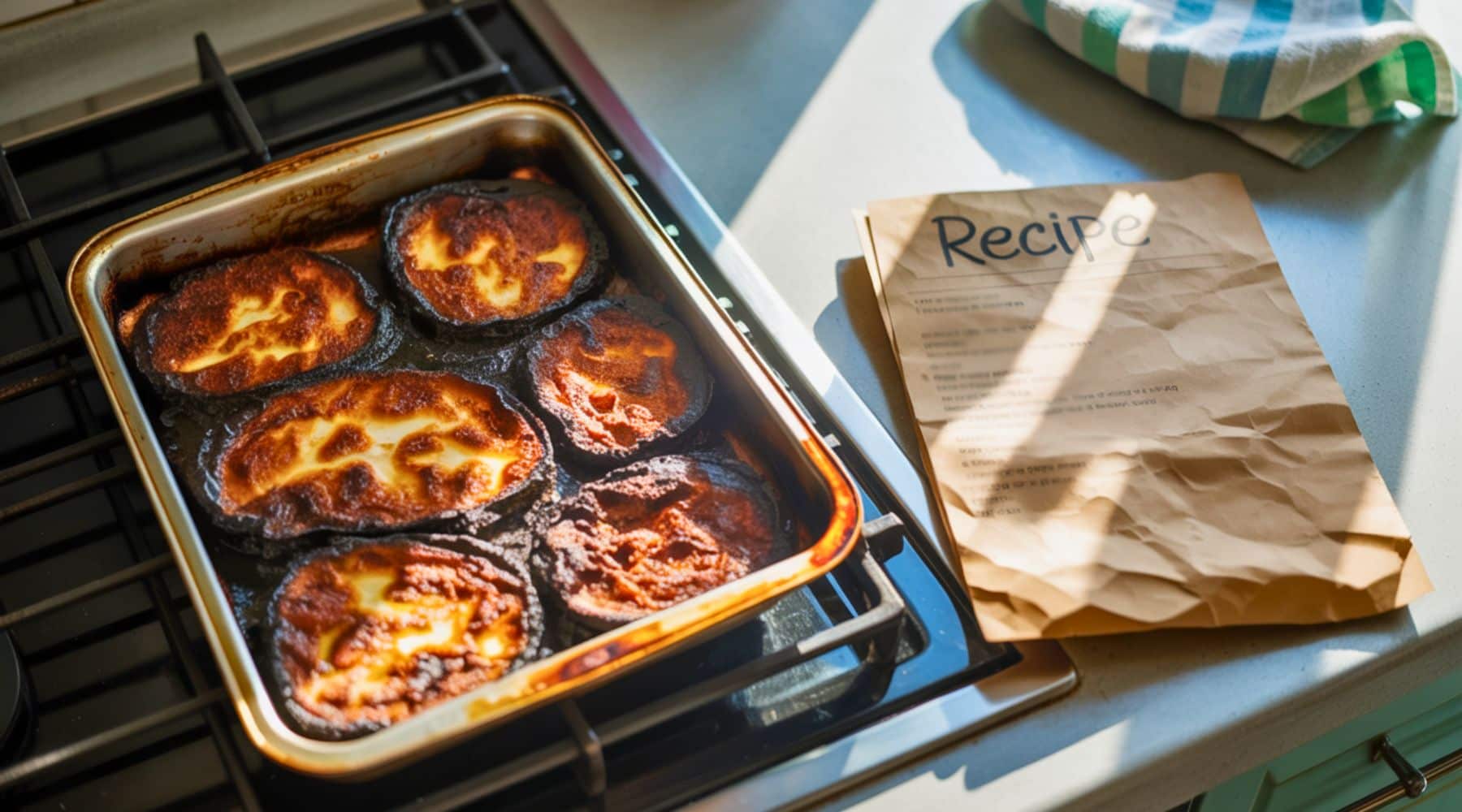
Beginner-friendly recipes aren’t always what they seem
When “beginner-friendly” is misleading You’ve probably been there. You searched for a beginner-friendly recipe because you wanted to finally learn how to cook.…
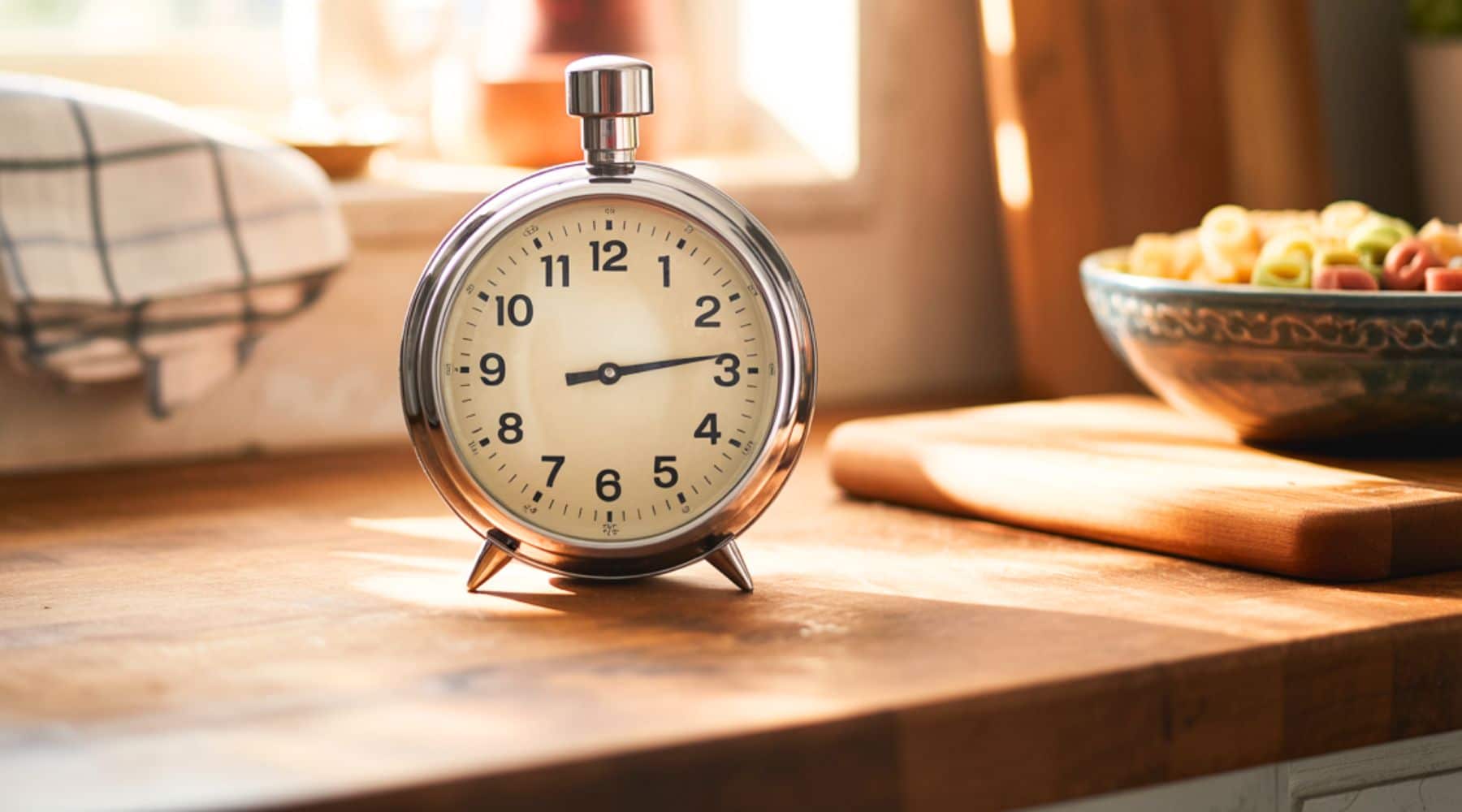
Timing in the kitchen: why cooking times don’t work as rules
Why “cook for X minutes” doesn’t work “I cooked it for exactly 8 minutes, and it still wasn’t right.” This is one of…
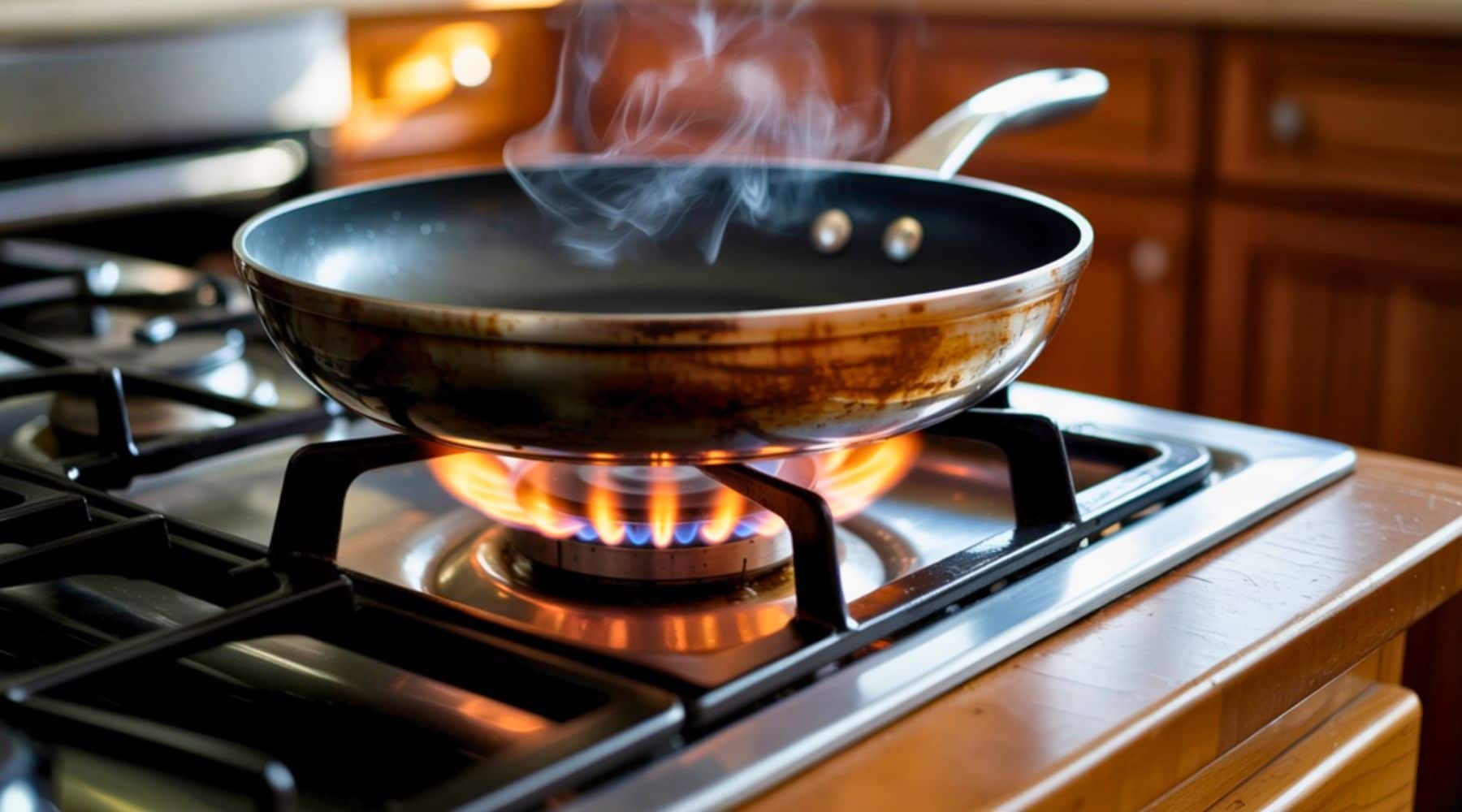
Heat control for beginners: why “medium heat” keeps burning food
Why does everything burn when you cook on “medium heat”? “Medium heat” might be the most misleading phrase in recipes.A fair question is:…
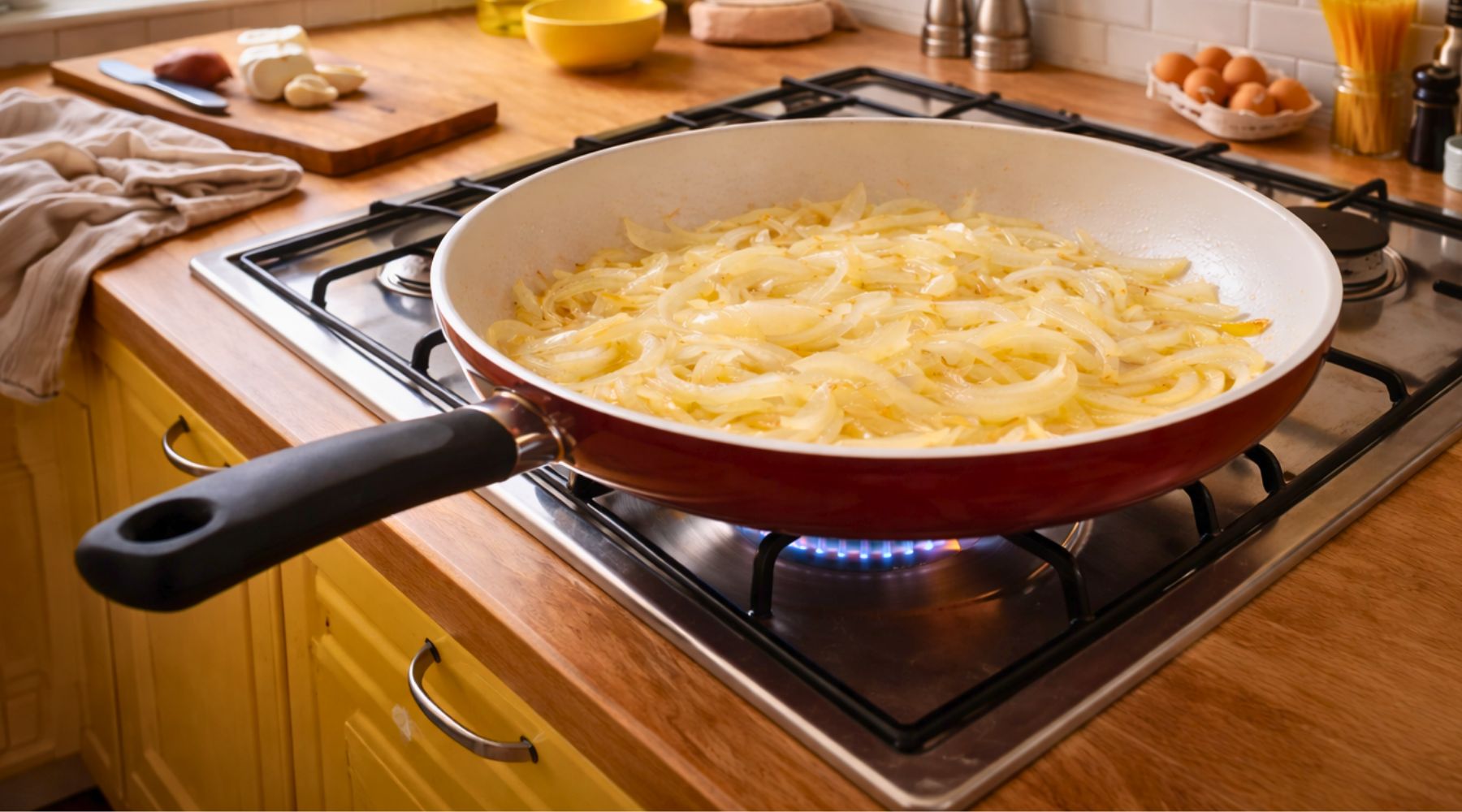
“Cook until translucent”: what recipes mean and why it matters
What every recipe says, but no one explains “Cook the onion until translucent.” If you haven’t cooked much, that sentence doesn’t help –…