

“Taste it”: how beginners learn to taste while cooking
“Taste it”
When, what, and why: the basics of tasting for beginners
“Taste it” appears in every recipe, yet it’s one of the hardest steps. As a beginner, the question comes up: what am I supposed to do with that information?
Tasting isn’t talent
Tasting isn’t about deciding whether it’s “good.”
It’s about noticing what’s missing.
Most dishes are built on three basic elements:
– salt,
– acid,
– fat.
When should you taste?
Not just at the end.
While cooking, you can still fix things. At the end, much less.
The biggest misconception
Many people are afraid to taste because they think they’ll “mess it up.”
But tasting isn’t a decision — it’s feedback.
You don’t need to “know flavors.”
You just need to notice: is it flat? saltier than before? does something feel missing?
Tasting isn’t a judgment. It’s feedback from the food.
Five core cooking skills:
Leave feedback.
Explore more:
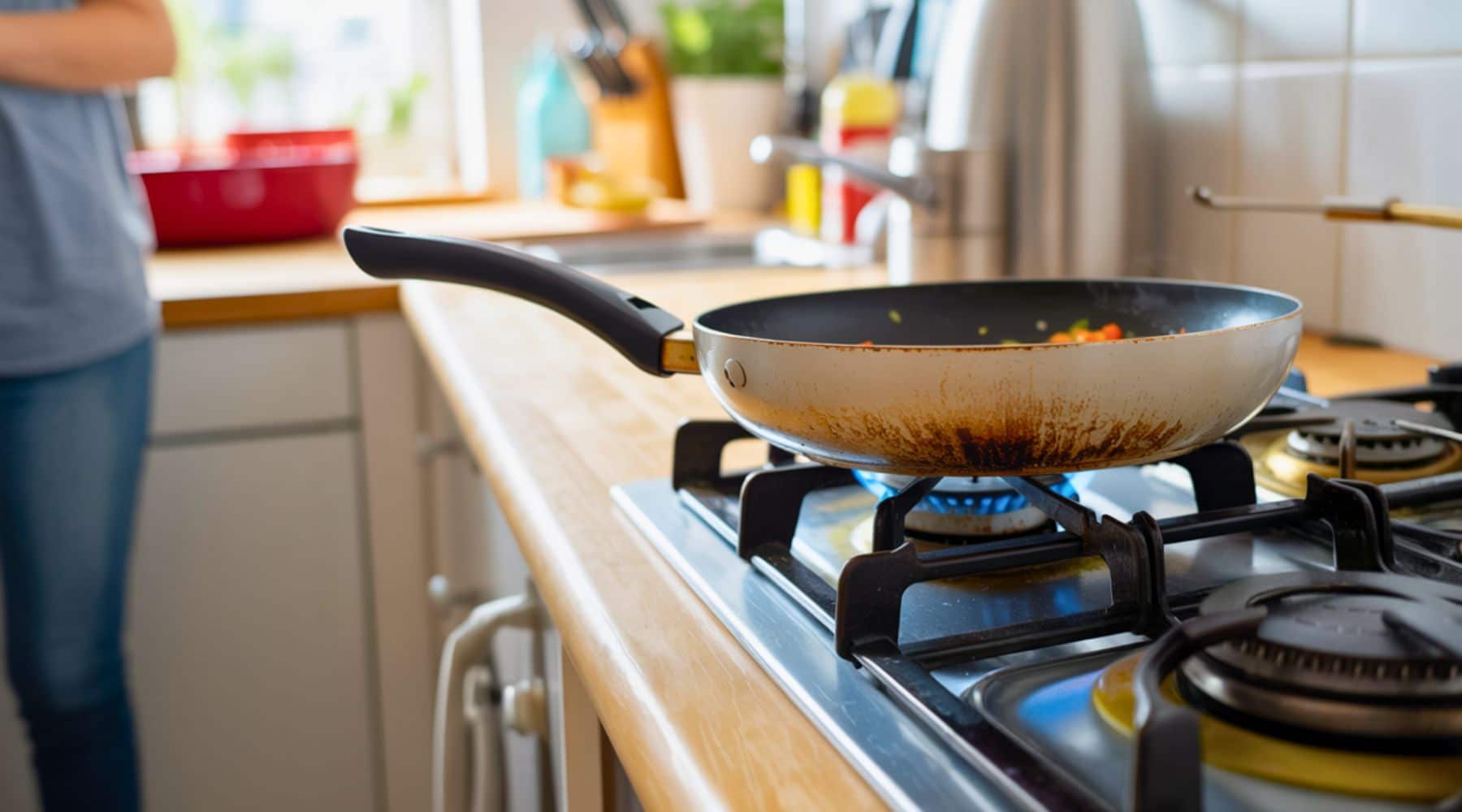
Do you really need an expensive pan?
The “it must be the pan” thought The food sticks. It burns. It doesn’t look like the picture.If you’ve just started cooking, chances…
How beginners actually learn to cook
How does a beginner learn to cook? Not through recipes, but through thinking. The real question If you’re just starting to cook, there’s…
Beginner-friendly recipes aren’t always what they seem
When “beginner-friendly” is misleading You’ve probably been there. You searched for a beginner-friendly recipe because you wanted to finally learn how to cook.…
Timing in the kitchen: why cooking times don’t work as rules
Why “cook for X minutes” doesn’t work “I cooked it for exactly 8 minutes, and it still wasn’t right.” This is one of…