

How cooking works
When you cook, food doesn’t turn out the way it does by accident.
If food burns, sticks, browns, turns out too hard, or ends up too soft, there’s a reason for it.
And it’s not that you don’t have a feel for it or any talent.
Here are some of the things behind it.
Why does temperature matter when you’re cooking? How hot is hot? Does the order matter? What makes a good pan? Do I need to buy a lot of tools?
There are no tricks, no secrets, and you don’t need to buy everything.
There are a few basic things that, once you understand them, cooking feels less intimidating. Sometimes it’s exactly the small detail that doesn’t even seem important that determines the result.
We don’t promise that you’ll become a good cook if you read everything here.
But understanding isn’t enough. You have to try it in practice, over and over (and it’s inevitable that the result will often turn out bad) to really get a feel for it.
And once that happens, cooking gets easier.
Explore this category:
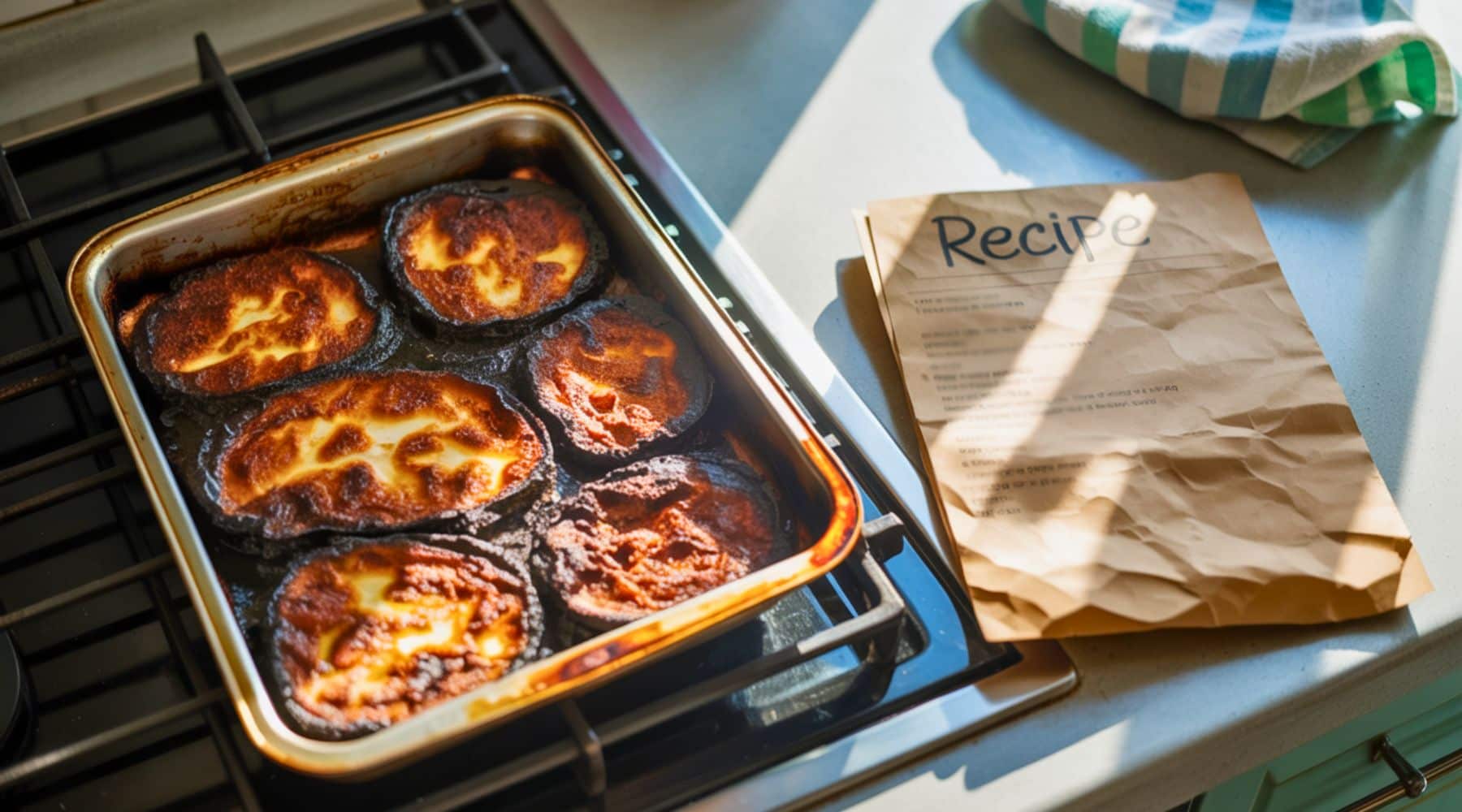
Beginner-friendly recipes aren’t always what they seem
When “beginner-friendly” is misleading You’ve probably been there. You searched for a beginner-friendly recipe because you wanted to finally learn how to cook.…
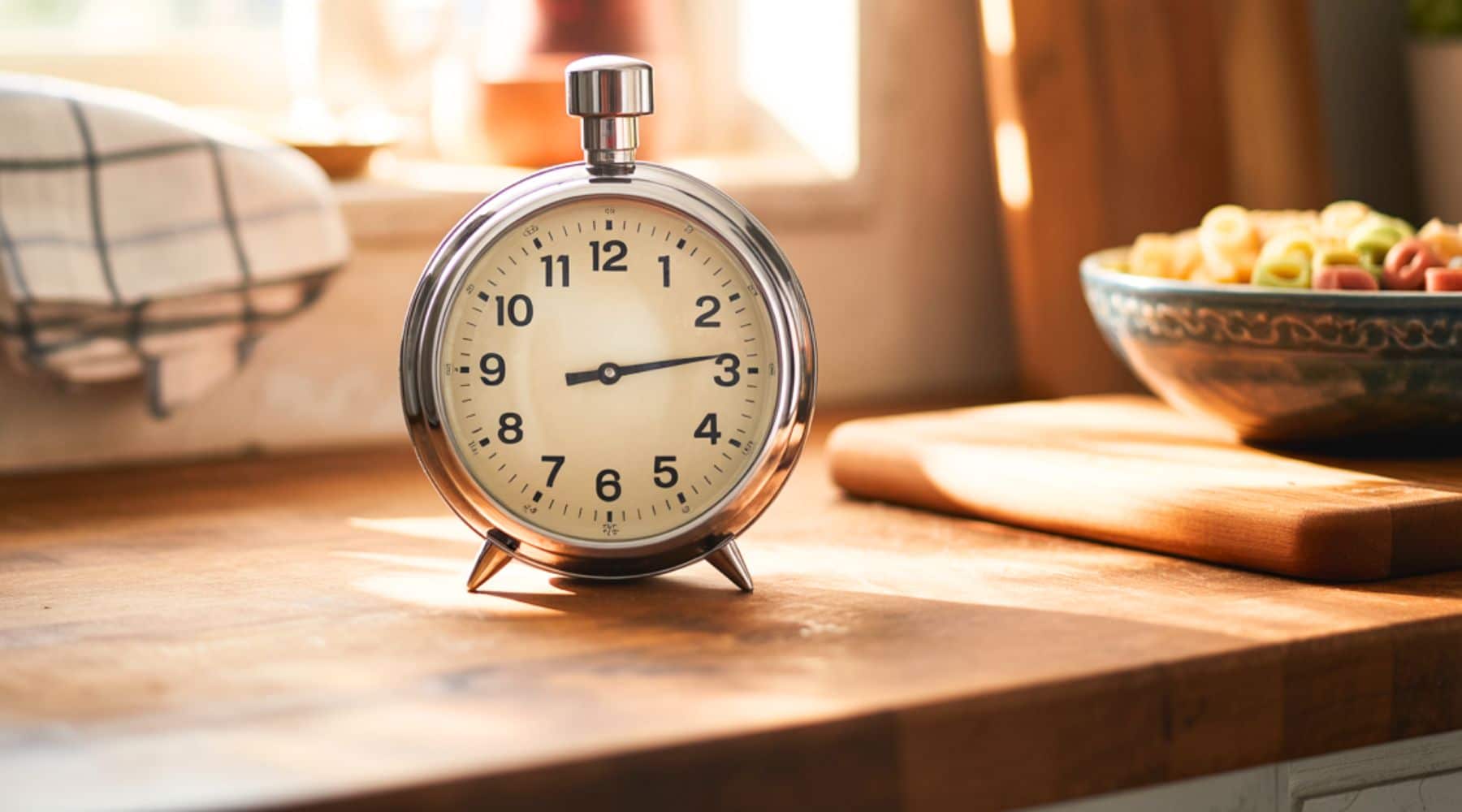
Timing in the kitchen: why cooking times don’t work as rules
Why “cook for X minutes” doesn’t work “I cooked it for exactly 8 minutes, and it still wasn’t right.” This is one of…
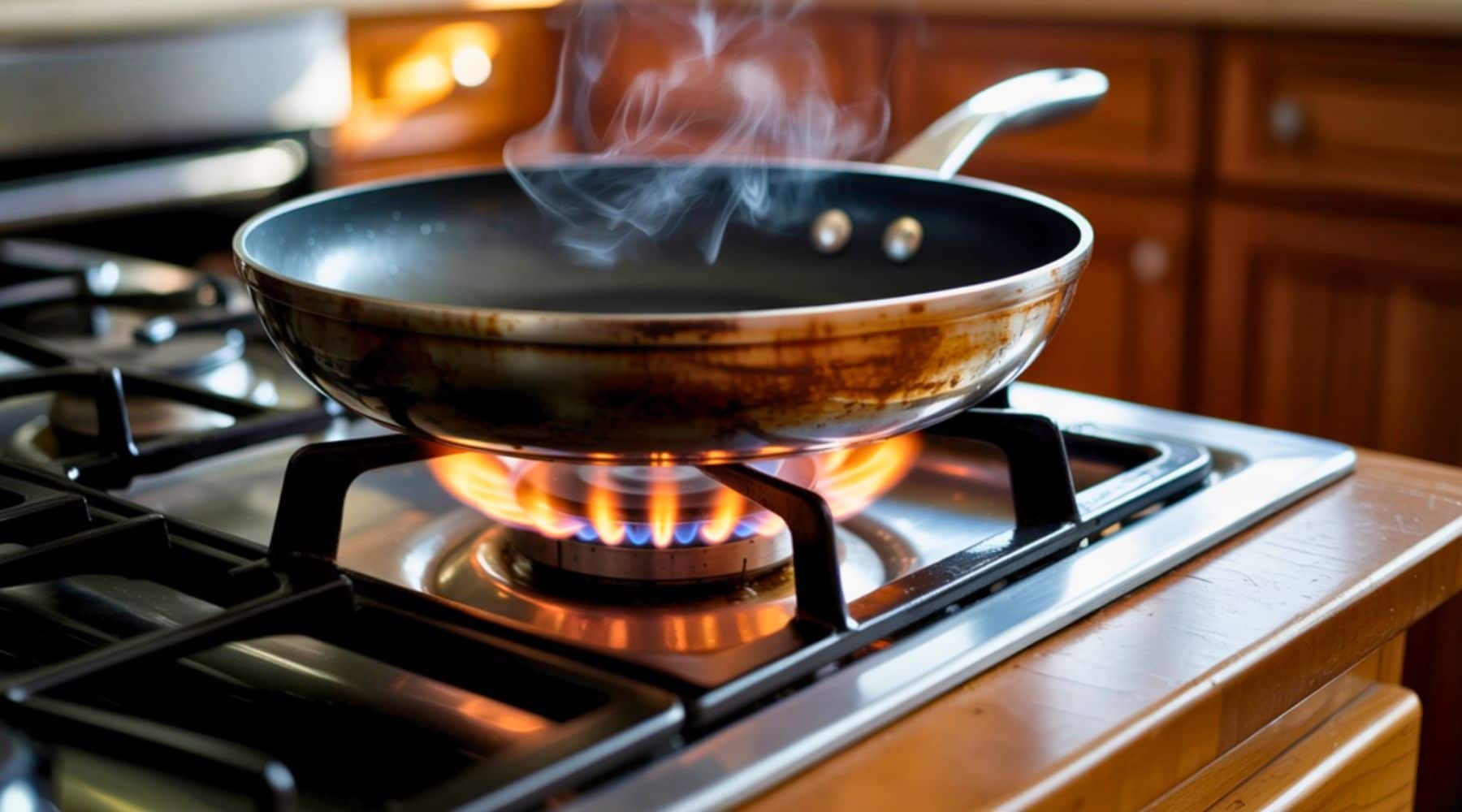
Heat control for beginners: why “medium heat” keeps burning food
Why does everything burn when you cook on “medium heat”? “Medium heat” might be the most misleading phrase in recipes.A fair question is:…
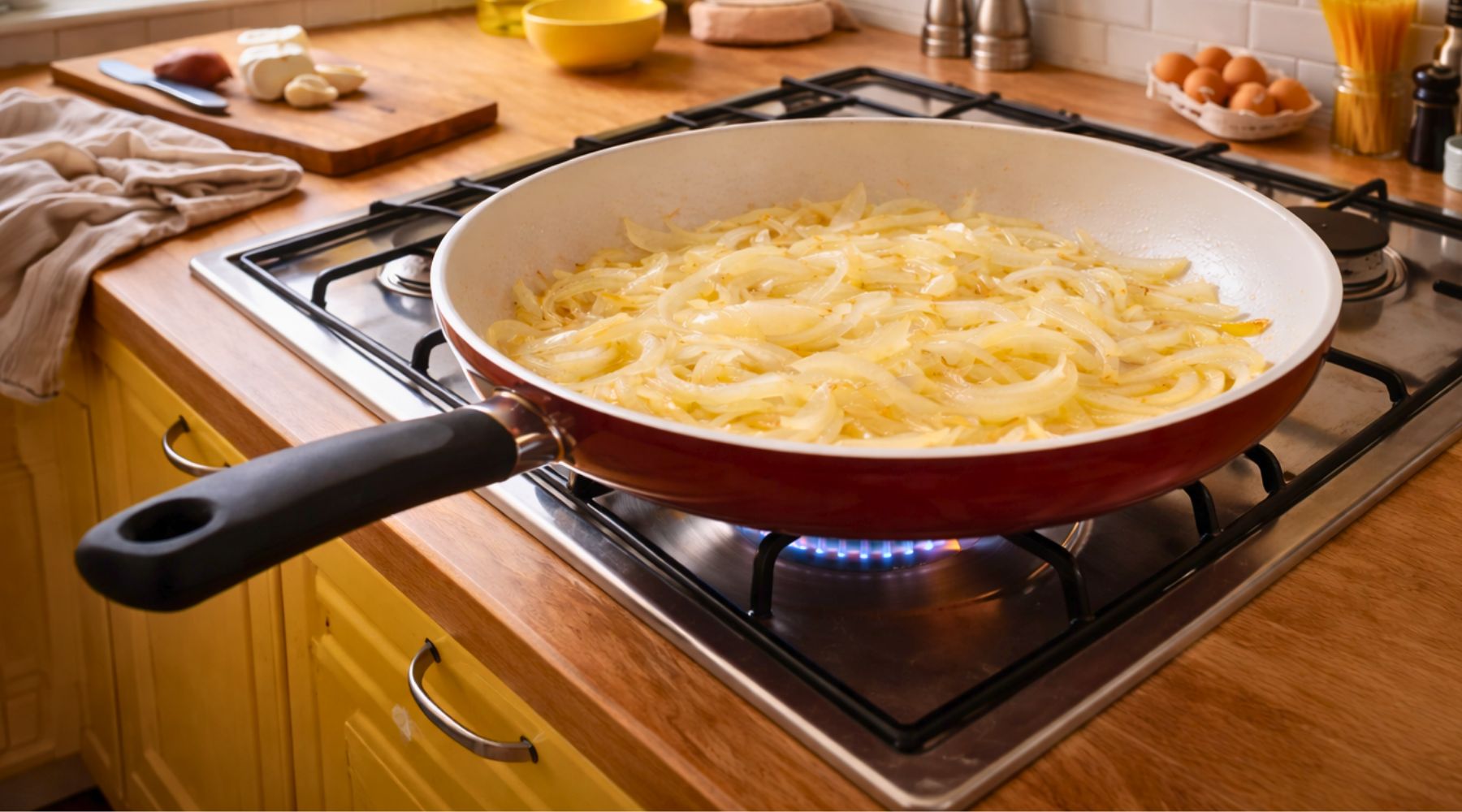
“Cook until translucent”: what recipes mean and why it matters
What every recipe says, but no one explains “Cook the onion until translucent.” If you haven’t cooked much, that sentence doesn’t help –…
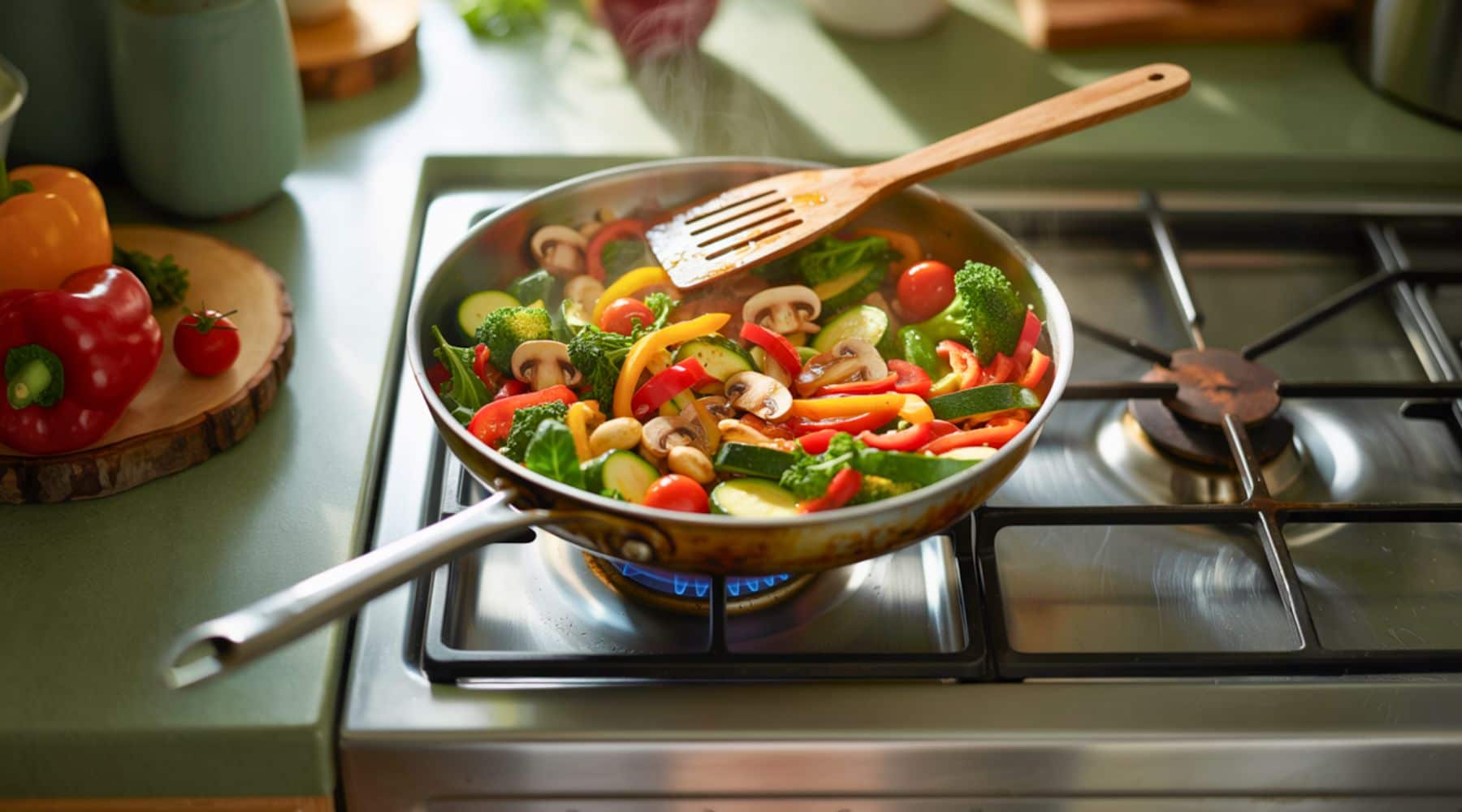
What goes into the pan first: order logic for beginner cooks
What goes into the pan, and when? Order logic for beginners As a beginner, it feels logical to throw everything in at once.…